Outsourcing a product that combines an active medical device with single-use sterile consumables is challenging not because of any single manufacturing step, but because three distinct sets of compliance and engineering requirements overlap:
· Active components and medical electrical equipment: requires electrical safety and electromagnetic compatibility (EMC) verification and testing (IEC 60601-1 / IEC 60601-1-2).
· Single-use sterile consumables: require sterile barrier system validation, sterilization process validation (ISO 11135 / ISO 11137), and biocompatibility evaluation (the ISO 10993 series).
· The quality management system (QMS): must cover production conditions and regulatory controls for both product types (U.S. QSR / 21 CFR 820; EU ISO 13485 + MDR 2017/745).
Most medical contract manufacturers have specialized capabilities in only one of these domains. As a result, active + sterile combination systems are often split between two factories, fragmenting regulatory accountability and supply chain control. The optimal solution is to partner with a contract development and manufacturing organization (CDMO) whose capabilities cover the full scope, providing comprehensive design transfer, design for manufacturability (DFM) optimization, and integrated regulatory support rather than basic build-to-print assembly. This approach significantly reduces product development lifecycle risks, unit production costs, and overall time to market.
For active devices, the core verification requirements are electrical safety and electromagnetic compatibility. For medical electrical equipment, type testing and verification for basic safety and essential performance must be completed in accordance with IEC 60601-1, while IEC 60601-1-2 demonstrates normal operation in the intended electromagnetic environment. This discipline encompasses electrical engineering, formal risk management (ISO 14971), and electromagnetic environment classification. In the United States, these test data are essential elements of a 510(k) Premarket Notification submission; in the European Union, they are compiled into the CE technical documentation for conformity assessment by a notified body.
For sterile consumables, the core validation requirements center on the sterile barrier system and terminal sterilization. Single-use sterile consumables require a validated sterile barrier system (ISO 11607-1/2), terminal sterilization process validation (ISO 11135 for ethylene oxide sterilization, ISO 11137 for radiation sterilization, or other validated methods), biocompatibility evaluation (the ISO 10993 series), and real-time and accelerated aging data demonstrating that the Sterility Assurance Level (SAL, typically 10⁻⁶) is maintained throughout the designated shelf life. This discipline encompasses microbiology, materials science, package integrity testing, sterilization residuals analysis, and biological safety evaluation.
Beyond these technical frameworks, comprehensive quality system requirements govern production. In the U.S. market, contract manufacturers must complete FDA establishment registration and device listing and maintain compliance with 21 CFR 820 (Quality System Regulation), with quality responsibilities formalised between the specification developer / legal manufacturer and the contract manufacturer via a comprehensive Quality Agreement. In the EU market, the legal manufacturer retains ultimate responsibility for MDR compliance, and contract manufacturing arrangements are detailed in the technical documentation and bilateral agreements. Regardless of the target market, whether the contract manufacturer's quality management system natively covers cleanroom environmental controls for sterile packaging as well as electro-mechanical assembly controls is a vital prerequisite.
Note: Standards and regulations are referenced as currently effective; the U.S. and EU pathways can be adapted to other target regional regulatory frameworks.
Even when validation and testing capabilities exist, releasing an initial R&D design directly into commercial production is rarely optimal. For example, in an electro-mechanical consumable assembly, an early design may carry redundant structures, excessive discrete fasteners, and insufficient component commonality. When cable routing, sealing interfaces, and sterilization-compatible structures have not been engineered for scale, manufacturing the product as-is results in inflated bill-of-materials (BOM) costs, prolonged cycle times, and reduced pilot-production yield.
The engineering solution is to optimize the product during formal design transfer. The initial phase focuses on structural and assembly optimization: decomposing the original assembly sequence, consolidating parts with duplicate functions, and refining internal harness routing, acoustic/fluidic sealing, and gas-permeable sterilization structures. The goal is to enhance manufacturability and process capability in high-volume production without compromising clinical performance or regulatory conformity. In industry practice, this is Design for Manufacturing and Assembly (DFMA).
The second phase involves component engineering and prototyping. When early structural concepts are immature, an advanced engineering team goes beyond build-to-print execution by introducing production-grade materials, developing precise 2D/3D part definitions and tooling specifications, and performing iterative optimization across material compatibility, structural stiffness, and automated/semi-automated joining techniques. Every revision is validated with engineering prototypes. The return is immediate: streamlined assembly, fewer total part counts, and superior first-pass yield—generating substantial recurring savings in series production.
In practice, experienced teams utilize rapid prototyping and phased pilot runs: soft tooling and functional fixtures first, followed by pilot production runs, with formal design verification and process validation records generated concurrently to maintain a complete Design History File (DHF) and Device Master Record (DMR). This methodology ensures engineering flaws are identified and mitigated prior to mass production. The cost of updating a CAD model or tool insert during prototyping is orders of magnitude lower than executing corrective and preventive actions (CAPA) or halting a commercial line post-launch.
A frequent industry pitfall is treating regulatory compliance as an administrative paperwork exercise performed after product design freeze. In practice, the sequence should be integrated in parallel. In structured medical programs, regulatory strategy is established concurrently with conceptual design: from product classification, FDA product code assignment, and predicate device selection (for 510(k) submissions) to EU MDR classification rule mapping, drafting Essential Principles / General Safety and Performance Requirements (GSPR) matrices, and establishing performance specifications alongside Design Controls.
Verification records generated from each engineering optimization cycle naturally populate the regulatory submission dossier. By the time design freeze and design verification (DV) are reached, the technical documentation is already compiled, significantly reducing premarket review delays. Conversely, if regulatory strategy is deferred, design freeze often precedes the realization that a critical technical or biocompatibility requirement was missed, necessitating costly redesigns and re-testing. A competent CDMO creates immense value by eliminating these regulatory and engineering uncertainties early.
Marketing authorization holders, legal manufacturers, and brand owners evaluating contract manufacturing partners can structure due diligence across four core pillars:
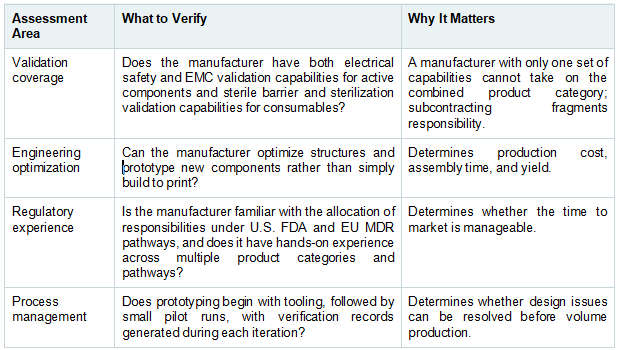
The most objective indicator of a CDMO's capability is its audited track record: the medical device classifications it has manufactured, the global regulatory pathways it has successfully navigated, and the commercial clearances achieved. Verifiable experience across diverse active and sterile categories provides far greater assurance than marketing claims.
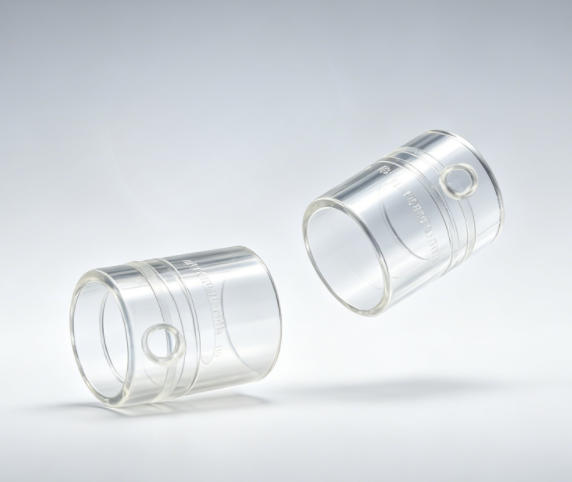
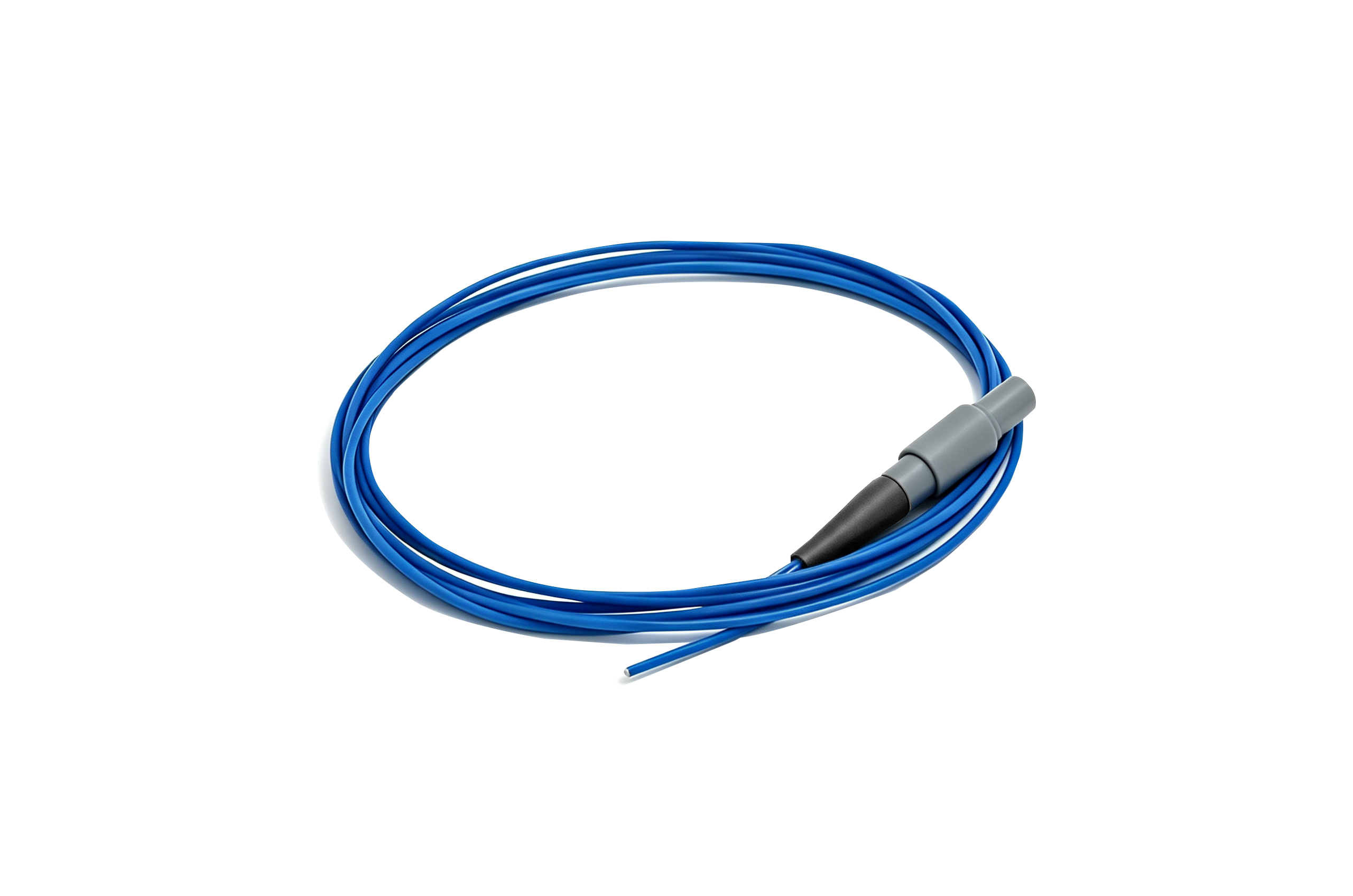
Precison's medical device contract development and manufacturing track record illustrates this integrated methodology: an endoscopic apex cap (Class II non-active consumable) achieved regulatory clearance; Disposable argon electrode (high-risk Class III / Class IIb active combination accessory) completed end-to-end development, verification, and regulatory approval; and Disposable endoscopic sheath successfully achieved market authorization in Taiwan. .
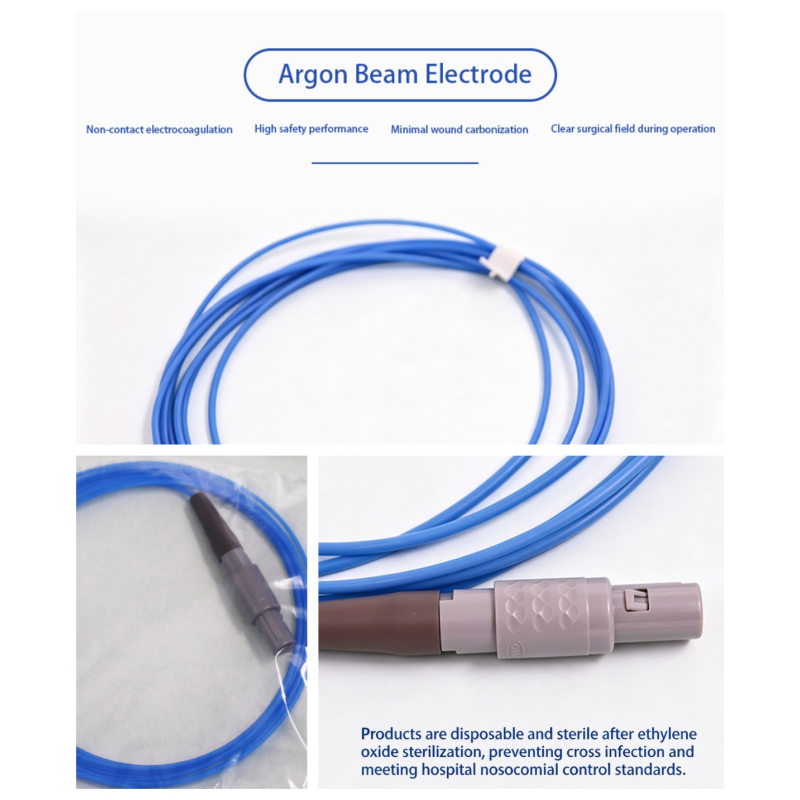
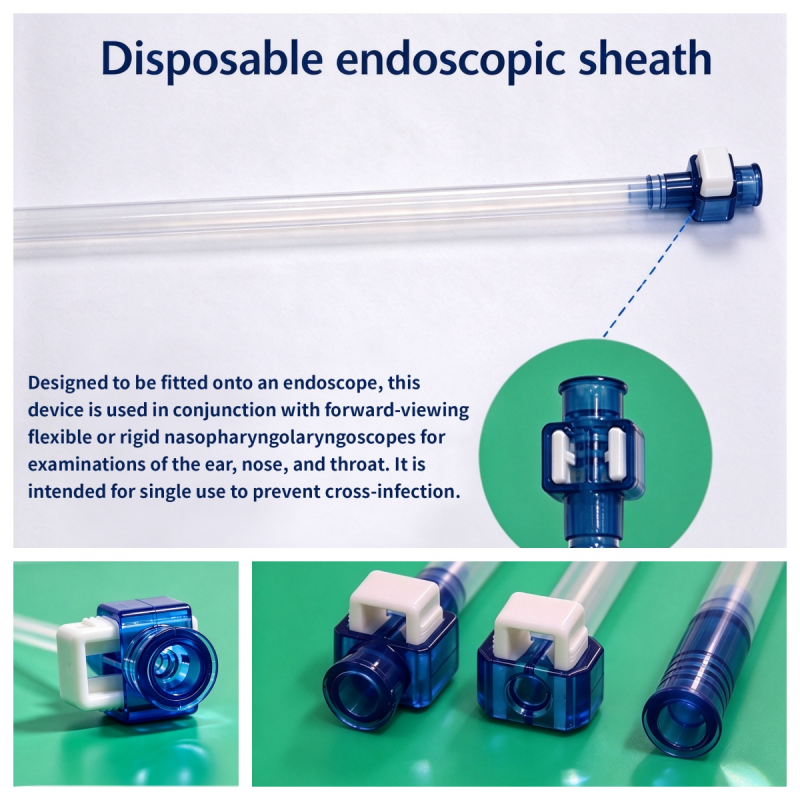
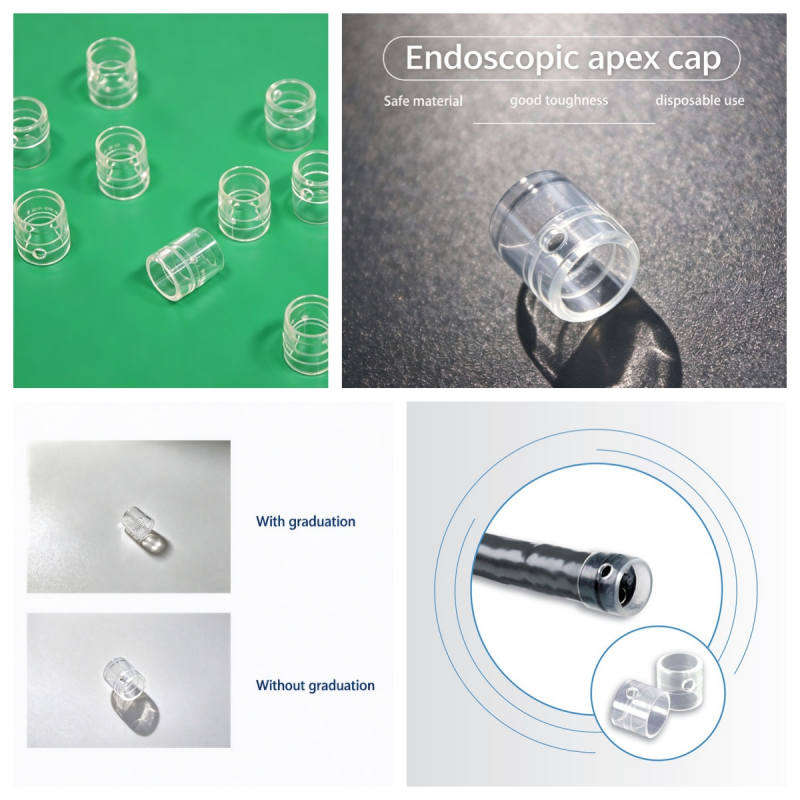
A recently deployed project in an advanced combination category integrating an active electro-mechanical console with single-use sterile consumables seamlessly combined structural DFMA optimization with front-loaded regulatory execution. These programs demonstrate a unified approach: complete V&V testing coverage, engineering optimization at the drawing board, and regulatory compliance embedded into design controls—managing technical complexity and delivering regulatory certainty for clients.
Q: What is the operational distinction between OEM, ODM, and CDMO in medical devices?
A: In the medical device sector, OEM (Original Equipment Manufacturer) typically refers to contract manufacturing where the legal manufacturer / brand owner supplies the design specifications and Device Master Record (DMR) while the factory manufactures according to print under a Quality Agreement. ODM (Original Design Manufacturer) / CDMO involves the contract manufacturer actively executing or co-developing the design, verification, and design transfer, while the brand owner focuses on commercialization. In global markets, OEM is also frequently used to describe private-label contract manufacturing. Prior to project kick-off, design authority, intellectual property ownership, change notification protocols, and regulatory filings must be formally defined in a bilateral Quality Agreement.
Q: As a legal manufacturer / marketing authorization holder, must we author the entire technical documentation internally?
A: In both the United States and the European Union, the legal responsibility for the regulatory filing rests with the applicant, specification developer, or legal manufacturer. However, technical requirements, design verification/process validation reports, risk management files, and biocompatibility/sterility data are primarily generated and authored with the contract manufacturer. A CDMO with strong internal engineering and regulatory affairs capabilities significantly reduces the sponsor's technical burden and review cycle times.
Q: If we already possess mature CAD drawings, can we bypass structural optimization and move directly to commercial scale?
A: Yes, but a formal Design for Manufacturability and Assembly (DFMA) assessment is strongly recommended. Latent design inefficiencies, complex tolerances, or suboptimal material selections become permanent recurring costs in high-volume production. A pre-production engineering evaluation is a fraction of the cost of post-market engineering change orders (ECO) or line re-validations.
Q: How many prototype and pilot iteration cycles are typically required during design transfer?
A: Prototype iterations depend on the structural complexity, electromechanical coupling, and risk profile of the device. A standard best practice includes rapid prototyping, tooling qualification (IQ/OQ/PQ), and phased pilot production runs with parallel design verification testing to resolve all critical tolerances, assembly fixtures, and quality control limits prior to formal commercial launch.
Active + sterile combination products present distinct manufacturing challenges because two separate engineering verification disciplines and rigorous quality system requirements intersect. This complexity is precisely where an advanced CDMO creates maximum value. A partner with dual-domain verification capabilities can manage the entire product lifecycle—optimizing the physical architecture during design transfer, validating processes, and streamlining the global regulatory submission pathway. For medical device brand owners and legal manufacturers, partnering with the right CDMO transforms regulatory and manufacturing friction into commercial advantage.
Ready to accelerate your device commercialization? Whether you hold a cleared device license and require validated manufacturing capacity, or have a novel concept requiring an end-to-end development and regulatory partner, contact our team to discuss your project.